Poultry Farming Business Plan
Poultry farming is one of the fastest-growing agribusiness opportunities in India and across the world. With rising demand for eggs and chicken meat due to population growth and increasing protein consumption, poultry farming offers a steady income and quick returns. A well-prepared poultry farming business plan is essential to start and run this venture successfully.
This blog explains the key components of a poultry farming business plan and helps beginners understand how to achieve profitability.
Introduction to Poultry Farming
Poultry farming involves raising domestic birds such as chickens, ducks, turkeys, and quails for eggs, meat, or both. In India, poultry farming is mainly divided into broiler farming (meat production) and layer farming (egg production). Compared to other livestock businesses, poultry farming requires less land, offers faster growth cycles, and provides regular income.
Types of Poultry Farming Businesses
Before starting, it is important to choose the right poultry farming model:




- Broiler Farming
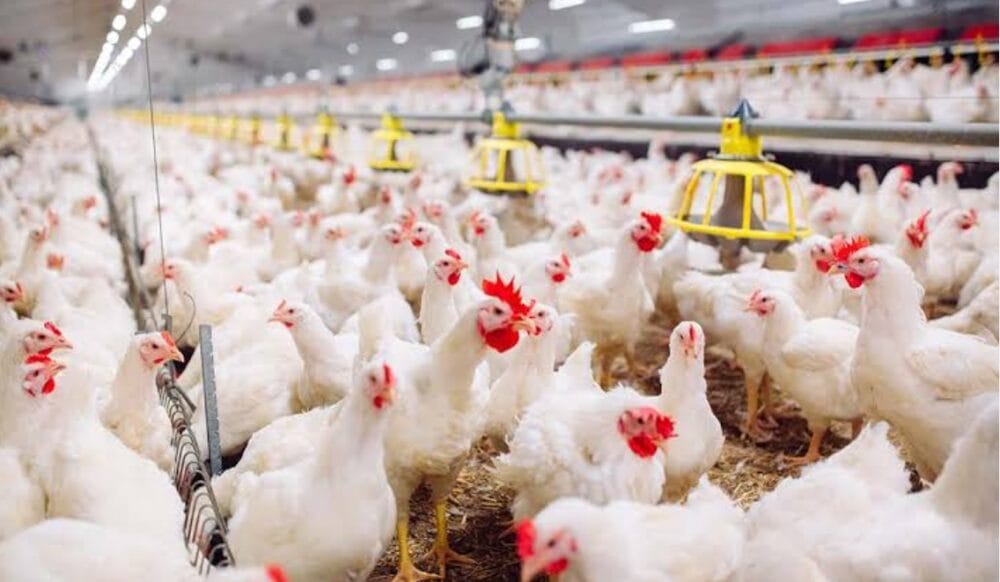
Focuses on meat production. Broiler chickens grow fast and are ready for sale within 5–7 weeks. - Layer Farming
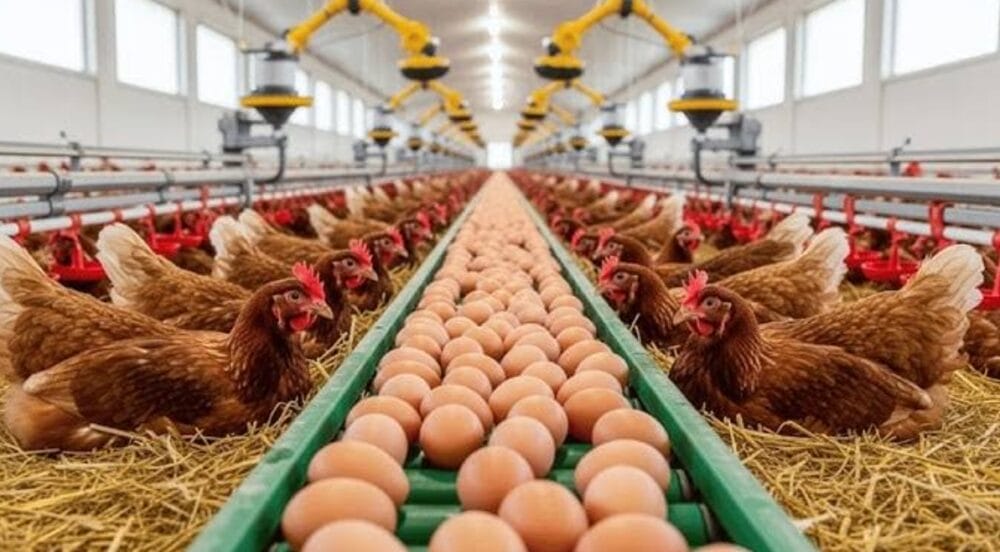
Concentrates on egg production. Layers start laying eggs after 18–20 weeks and can produce eggs for up to one year or more. - Free-Range Poultry Farming
Birds are allowed to roam freely, producing organic and premium-quality meat and eggs. - Backyard Poultry Farming
Suitable for small-scale farmers with low investment and minimal infrastructure.
Also Read:Fish Farming: A Complete Guide to Profitable Aquaculture
Market Analysis
Market demand is the backbone of a successful poultry farming business plan. Poultry products are consumed daily in homes, hotels, restaurants, and food processing industries. Eggs are an affordable protein source, and chicken meat is popular across all income groups. Before starting, analyze:
- Local demand for eggs or meat
- Competition in nearby areas
- Wholesale and retail prices
- Seasonal demand fluctuations
Understanding the market helps in deciding scale, pricing, and sales strategy.
Infrastructure and Location
Proper infrastructure plays a crucial role in poultry farming success. The farm should be located away from residential areas to avoid odor and disease issues. Key infrastructure requirements include:
- Poultry sheds with good ventilation
- Clean water supply
- Feeding and drinking systems
- Waste disposal system
- Storage space for feed and equipment
The shed design should protect birds from extreme weather conditions and predators.
Poultry Breed Selection
Choosing the right breed affects productivity and profitability. Popular poultry breeds in India include:
- Broiler Breeds: Cobb, Ross, Vencobb
- Layer Breeds: White Leghorn, ISA Brown, Hy-Line
- Dual-Purpose Breeds: Vanaraja, Gramapriya
Select breeds based on climate suitability, market demand, and farming goals.
Feed and Nutrition Management
Feed accounts for nearly 60–70% of total poultry farming costs. A balanced diet is essential for healthy growth and high production. Poultry feed should include:
- Grains (maize, wheat)
- Protein sources (soybean meal, groundnut cake)
- Vitamins and minerals
- Clean drinking water
Using high-quality feed improves weight gain, egg production, and disease resistance.
Health Care and Disease Management
Disease prevention is critical in poultry farming. Common poultry diseases include Newcastle disease, bird flu, coccidiosis, and fowl pox. A good health management plan includes:
- Regular vaccination schedules
- Clean and hygienic farm environment
- Proper disposal of dead birds
- Consultation with a veterinary expert
Healthy birds reduce mortality rates and improve overall profitability.
Also Read:Vermicompost Business Plan: A Profitable Organic Farming Opportunity
Investment and Cost Estimation
The initial investment depends on farm size and type. Major costs include:
- Land or shed construction
- Purchase of chicks
- Feed and medicines
- Equipment and labor
- Electricity and water supply
Small-scale poultry farming can start with low capital, while commercial farms require higher investment but offer better returns.
Profitability and Income Potential
Poultry farming offers quick returns due to short production cycles. Broiler farming generates income within 6–8 weeks, while layer farming provides continuous income from egg sales. Profit depends on:
- Feed cost management
- Mortality rate
- Market price fluctuations
- Efficient farm management
With proper planning, poultry farming can deliver consistent and long-term profits.
Marketing and Sales Strategy
A strong marketing plan ensures smooth product sales. Poultry farmers can sell through:
- Local markets and retailers
- Wholesalers and traders
- Hotels and restaurants
- Direct-to-consumer sales
Building relationships with buyers and maintaining product quality helps in securing repeat customers.
How to start a poultry farming business
Starting a poultry farming business can be a profitable venture if it is planned and managed properly. Here is a short and clear description to help you begin:
Poultry farming involves raising chickens for meat (broilers), eggs (layers), or both. To start, first decide the type and scale of farming based on your budget and local market demand. Select a suitable location with good ventilation, clean water supply, and easy access to markets. Build a proper poultry shed that protects birds from extreme weather and predators.
Choose healthy, high-quality chicks from a reliable hatchery and provide balanced feed to ensure fast growth and good productivity. Maintain strict hygiene, vaccination, and biosecurity measures to prevent diseases. Regular monitoring of temperature, lighting, and cleanliness is essential for bird health. Finally, plan marketing channels such as local traders, retailers, or direct sales to consumers to ensure steady income and long-term success in the poultry farming business.
Conclusion
A poultry farming business plan is the foundation of a successful poultry venture. From selecting the right type and breed to managing feed, health, and marketing, every step requires careful planning.
With growing demand and government support, poultry farming remains a profitable agribusiness option for farmers and entrepreneurs.
Proper management, market awareness, and continuous improvement are key to long-term success.
Frequently Asked Questions (FAQ)
Q1. Is poultry farming profitable in India?
Yes, poultry farming is highly profitable due to strong demand for eggs and chicken meat and quick production cycles.
Q2. How much investment is required to start poultry farming?
Investment varies by scale. Small farms can start with low capital, while commercial farms require higher investment.
Q3. Which is better: broiler or layer farming?
Broiler farming offers quick returns, while layer farming provides steady long-term income from eggs.
Q4. What are the main risks in poultry farming?
Disease outbreaks, feed price fluctuations, and market price changes are the major risks.
Q5. Can poultry farming be done on a small scale?
Yes, backyard and small-scale poultry farming are suitable for beginners with limited resources.
Q6. How long does it take to earn profit from poultry farming?
Broiler farming can generate profit within 6–8 weeks, while layer farming starts generating income after egg production begins.
Also Read: Beginner’s Guide to Poultry Farming: Essential Steps & Tips